
Prepare for the sacred Mount Kailash Kora with our complete travel guide covering physical fitness, altitude acclimatization, altitude sickness prevention and essential packing tips. Discover how to prepare for the challenging 52-kilometre Kailash Parikrama, including the high-altitude crossing of Dolma La Pass at 5,630 metres. From practical fitness training and health precautions to suitable trekking clothing and essential equipment, this guide provides everything you need to know before your Kailash Mansarovar Yatra. Plan ahead, travel safely and experience the spiritual beauty of Mount Kailash and Lake Mansarovar with confidence.
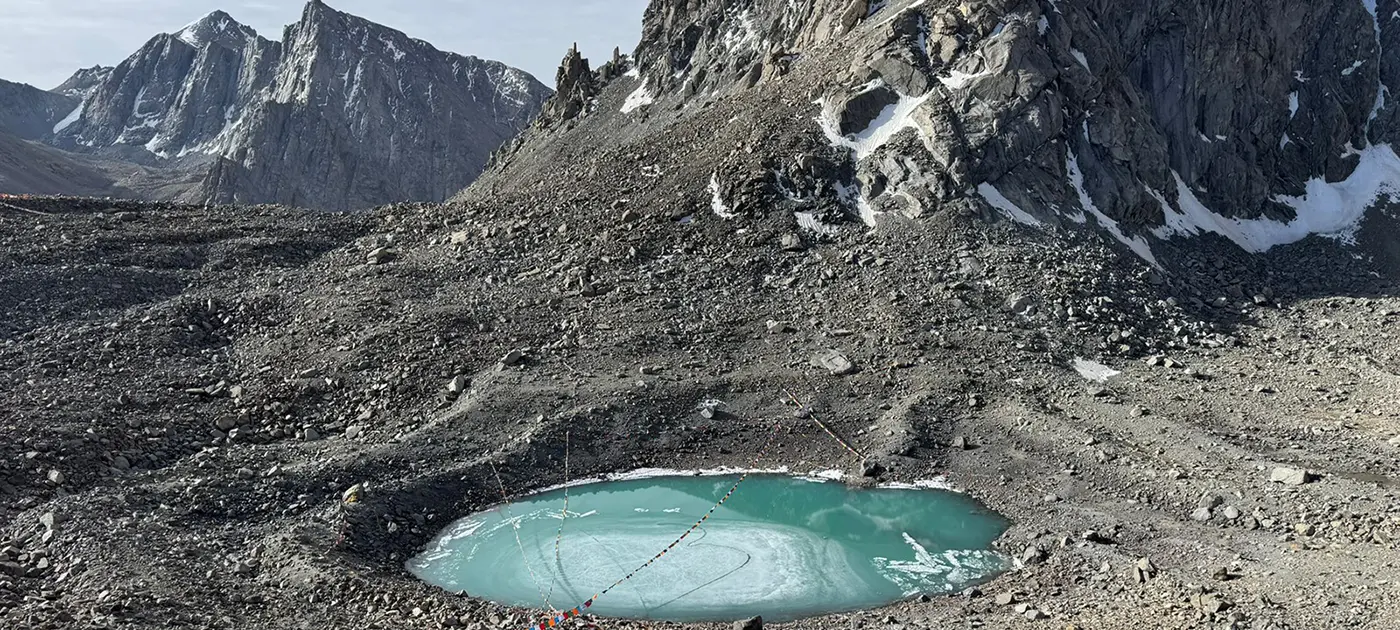
Kailash Kora Preparation Guide: Fitness, Altitude & Packing

How to Prepare for the Kailash Kora: Fitness, Altitude and Packing Guide
A pilgrimage tour to Mount Kailash is more than an ordinary mountain journey. Revered by Hindus, Buddhists, Jains and followers of the Bon religion, this sacred Himalayan peak represents spiritual purity, devotion and the connection between humanity and the universe. Every year, travellers and pilgrims from around the world journey to the remote landscapes of Tibet to complete the legendary Kailash Kora, also known as Kailash Parikrama.
The approximately 52-kilometre circumambulation around Mount Kailash is one of the most remarkable high-altitude pilgrimage experiences in the world. The route passes through dramatic mountain valleys, ancient monasteries, glacial streams and breathtaking Himalayan landscapes. For many pilgrims, completing the Kora represents a deeply meaningful spiritual achievement.
However, the journey also presents physical challenges. The high altitude, unpredictable mountain weather, steep mountain passes and long walking distances require proper preparation. The most demanding section is the ascent towards Dolma La Pass, which reaches approximately 5,630 metres (18,471 feet) above sea level.
So, how should you prepare for the Kailash Kora? How physically fit do you need to be? What should you know about altitude sickness? And what essential equipment should you carry?
This comprehensive Kailash Kora preparation guide explains everything you need to know about fitness training, altitude acclimatization, health precautions and packing essentials to help you approach this extraordinary pilgrimage with confidence.
Understand the Kailash Kora Route Before Your Journey
Before beginning your physical preparation, it is important to understand the nature of the Kailash Parikrama route.
The traditional Kailash Kora covers approximately 52 kilometres and is generally completed over three days. Starting and ending near Darchen, the trail follows a circular route around the sacred mountain.
Although the distance may appear manageable, walking at an elevation above 4,500 metres is significantly more demanding than trekking at lower altitudes. The thinner air reduces the amount of oxygen available to your body, making even moderate physical activity feel difficult.
Main Sections of the Kailash Kora
Day 1: Darchen to Dirapuk Monastery
The first day generally involves approximately 13–14 kilometres of walking. The route gradually follows the Lha Chu Valley, offering spectacular views of Mount Kailash's northern face.
The trail includes relatively gradual sections, although the high altitude can make walking tiring. Dirapuk Monastery is a memorable overnight stop, where pilgrims can experience an impressive view of the sacred mountain.
Day 2: Dirapuk to Zutulpuk via Dolma La Pass
The second day is considered the most challenging part of the Kailash Kora.
The route climbs towards Dolma La Pass at approximately 5,630 metres before descending towards the Zutulpuk Valley. This section involves steep ascents, rocky paths, loose stones and potentially snow or ice depending on the season.
The long walking distance and significant elevation gain make this day particularly demanding.
Day 3: Zutulpuk to Darchen
The final section is generally easier, covering approximately 8–10 kilometres across the valley before returning to Darchen.
Although the route is less demanding than the previous day, your legs may feel tired after crossing Dolma La Pass.
Understanding these three stages helps you develop realistic fitness goals and prepare for the most challenging parts of the pilgrimage.
Physical Fitness: How Fit Do You Need to Be for Kailash Kora?
One of the most common questions travellers ask is whether they need professional trekking experience to complete the Kailash Kora.
The answer is no. You do not necessarily need to be an experienced mountaineer or professional athlete. However, a reasonable level of cardiovascular fitness, leg strength, balance and walking endurance is important.
The Kailash Kora is a high-altitude pilgrimage rather than a technical mountain climb. The main challenge is walking for several hours in thin air while navigating uneven mountain trails.
Your fitness preparation should focus on building endurance rather than speed.
Cardiovascular Training
Cardiovascular endurance helps your body manage prolonged physical activity.
Begin with regular walking, jogging, cycling or swimming. Gradually increase the duration and intensity of your exercise as your fitness improves.
Recommended activities include:
- Brisk walking for 45–60 minutes.
- Hiking on natural trails and uneven terrain.
- Cycling to improve cardiovascular endurance.
- Swimming for overall stamina.
- Stair climbing to strengthen endurance.
- Try to exercise four to five days per week, allowing sufficient recovery time.
Strength Training for Your Legs
Strong leg muscles help you manage steep ascents and descents, particularly around Dolma La Pass.
Focus on exercises that strengthen your thighs, calves, hips and glutes.
Useful exercises include:
- Squats.
- Lunges.
- Step-ups.
- Calf raises.
- Wall sits.
- Controlled step-downs.
- Start with manageable repetitions and gradually increase the workload.
Practice Walking Uphill and Downhill
Walking on flat roads alone is not enough preparation for the Kailash Kora.
The route includes steep climbs, rocky surfaces and long descents. Training on hills, stairs and uneven trails helps prepare your muscles and joints for these conditions.
Try to include one longer hike every week. Gradually increase the distance and elevation gain while practising a comfortable walking pace.
Train With Your Trekking Backpack
Carrying an appropriately packed daypack during the Kora requires additional energy.
Practise walking with the backpack you intend to use during the pilgrimage. Start with a light load and gradually increase it.
Avoid carrying unnecessary equipment because every extra kilogram becomes more noticeable at high altitude.
Improve Balance and Flexibility
Uneven rocky trails require good balance and stable movement.
Simple stretching, yoga, balance exercises and mobility training can help improve flexibility and reduce the risk of muscle strain.
Pay particular attention to your ankles, knees, hips and lower back.
Important: Physical fitness does not guarantee protection against altitude sickness. Even highly trained athletes can develop altitude-related illness.
A Practical 8-Week Kailash Kora Fitness Training Plan
A structured training programme can help you prepare gradually for the physical demands of the pilgrimage.
The following eight-week plan is a general fitness guide for travellers who already have a basic level of mobility and exercise tolerance.
Training period Recommended preparation
Week 1–2: Walking 30–45 minutes, basic squats and stretching
Week 3–4: Walking 45–60 minutes, stair climbing and light hiking
Week 5–6: Longer hikes of 2–4 hours, strength training and backpack practice
Week 7: Hiking for 4–5 hours on varied terrain and practising steady pacing
Week 8: Moderate endurance walks, flexibility exercises and recovery
Aim for four or five active days each week, depending on your fitness and recovery.
During the final week, avoid exhausting workouts. Allow your body to recover before departure.
If you are currently inactive, older, or have an existing medical condition, begin training earlier and seek advice from a healthcare professional before starting an exercise programme.
Altitude Acclimatization: The Most Important Part of Kailash Kora Preparation
Altitude is one of the biggest challenges of the Mount Kailash pilgrimage.
As elevation increases, atmospheric pressure decreases, meaning less oxygen is available with every breath. Your body needs time to adjust to these conditions.
The Kailash region is particularly demanding because much of the route lies above 4,500 metres.
Even travellers with excellent physical fitness may experience difficulty breathing, headaches, fatigue and disturbed sleep.
Why Is Acclimatization Important?
Acclimatization is the process through which your body gradually adapts to lower oxygen availability at higher elevations.
A properly planned itinerary should allow sufficient time for gradual altitude exposure before beginning the Kora.
Many Kailash pilgrimage itineraries include time around Saga, Lake Mansarovar and Darchen. These stops can help travellers adjust to the increasing elevation, although the precise schedule and sleeping altitudes matter.
Avoid rushing directly into strenuous walking after arriving at high altitude.
Recommended Acclimatization Practices
1. Increase altitude gradually
Whenever possible, follow an itinerary that allows gradual ascent and appropriate rest days.
2. Walk slowly
Do not attempt to maintain the same walking speed you normally use at sea level. A slow, consistent pace is more sustainable.
3. Stay hydrated
Drink fluids regularly throughout the day. Avoid both dehydration and excessive water intake.
4. Eat regular meals
Maintain your energy with balanced meals containing carbohydrates, protein and healthy fats.
5. Get enough rest
Allow your body sufficient recovery time, particularly after long journeys and altitude gains.
6. Avoid alcohol and smoking
Alcohol and smoking can complicate your body's adjustment to high-altitude conditions and may worsen sleep or breathing problems.
7. Communicate symptoms immediately
Tell your guide or travel team if you develop a headache, nausea, dizziness or unusual fatigue.
Remember that acclimatization is not simply about spending a certain number of days in Tibet. It depends on your individual response, ascent profile and sleeping altitude.
5. Altitude Sickness During Kailash Kora: Symptoms and Prevention
Altitude sickness, medically known as Acute Mountain Sickness (AMS), is a significant health concern during high-altitude travel.
It can affect anyone, regardless of age, gender or physical fitness.
Recognising the early symptoms is essential for safe travel.
Common Symptoms of Acute Mountain Sickness
Travellers may experience:
- Headache.
- Nausea or vomiting.
- Dizziness.
- Loss of appetite.
- Unusual tiredness.
- Difficulty sleeping.
- Reduced ability to perform normal physical activities.
Symptoms commonly develop after ascending to higher elevations, particularly when the body has not had sufficient time to acclimatize.
How to Reduce the Risk of Altitude Sickness
There is no guaranteed way to prevent altitude sickness, but appropriate preparation can reduce the risk.
Follow these important precautions:
- Choose an itinerary with gradual altitude gain.
- Include sufficient acclimatization days.
- Avoid rushing during the Kailash Kora.
- Maintain regular hydration and nutrition.
- Avoid strenuous activity immediately after ascending.
- Discuss preventive medication with your doctor before travelling.
- Follow your guide's safety instructions.
Some travellers may be prescribed acetazolamide to assist acclimatization. It is not suitable for everyone and should only be taken following medical advice.
When Should You Stop Trekking?
Never ignore worsening altitude symptoms.
- If you develop symptoms of altitude sickness, stop ascending and inform your guide immediately.
- Severe headache, repeated vomiting, confusion, difficulty walking straight, breathlessness at rest, chest congestion or a worsening cough can indicate a serious altitude-related emergency.
- High-altitude cerebral edema (HACE) and high-altitude pulmonary edema (HAPE) are life-threatening conditions.
- The appropriate response is urgent medical assistance and descent to a lower elevation. Do not continue the Kora in the hope that symptoms will disappear.
- Your health and safety are more important than completing the pilgrimage.
Essential Kailash Kora Packing List: What Should You Bring?
Packing correctly can make a considerable difference to your comfort during the Mount Kailash pilgrimage.
The weather in the Tibetan Plateau can change quickly. Travellers may experience sunshine, strong winds, cold temperatures, rain and even snowfall during the same journey.
A practical packing strategy should focus on warmth, protection from the elements, comfortable walking and essential personal supplies.
Clothing Essentials
Layered clothing is the most effective way to manage changing mountain temperatures.
Recommended clothing includes:
- Thermal base layers.
- Warm fleece or insulated jacket.
- Waterproof and windproof outer jacket.
- Trekking trousers.
- Thermal leggings.
- Warm trekking socks.
- Gloves and insulated winter gloves.
- Woollen hat or warm beanie.
- Neck warmer or scarf.
- Comfortable sleeping clothes.
- Spare underwear.
- Avoid relying on a single heavy jacket. Multiple layers allow you to adjust your clothing according to temperature and activity.
Footwear and Trekking Accessories
Comfortable footwear is essential for walking long distances over rocky terrain.
Bring:
- Well-broken-in waterproof trekking boots.
- Comfortable trekking socks.
- Lightweight camp shoes.
- Trekking poles.
- Gaiters if conditions require them.
- Small towel.
- Sunglasses with strong UV protection.
- Your trekking boots should provide good ankle support, traction and comfort.
- Never wear brand-new boots for the first time during the Kailash Kora. Test them on several training walks before departure to reduce the risk of blisters.
Personal Health and Medical Supplies
Carry a small personal first-aid kit containing essential supplies.
Useful items include:
Personal prescription medications.
- Basic pain relief medication, subject to medical advice.
- Blister treatment and adhesive dressings.
- Antiseptic wipes.
- Personal hygiene products.
- Sunscreen with high SPF.
- Lip balm with sun protection.
- Hand sanitiser.
- Personal water bottle.
- Oral rehydration supplies if appropriate.
If you have altitude-related medication prescribed by your doctor, carry enough for the entire journey and keep it accessible.
Essential Travel Documents
The Kailash pilgrimage involves travel to a restricted region of Tibet, so documentation and travel arrangements must be organised in advance.
Depending on your nationality and itinerary, requirements may include:
- Valid passport.
- Relevant Chinese visa or entry documentation.
- Required Tibet travel permits and authorisations.
- Confirmed travel itinerary.
- Travel insurance documents.
- Emergency contact information.
- Copies of important travel documents.
Entry requirements can change. Confirm the latest arrangements with your tour operator before departure.
Other Useful Items
Additional equipment can make your journey more comfortable.
Consider carrying:
- Headlamp with spare batteries.
- Power bank.
- Camera or mobile phone.
- Waterproof backpack cover.
- Reusable water bottle or hydration system.
- Energy bars and lightweight snacks.
- Small personal backpack.
- Earplugs.
- Wet wipes and tissues.
- Cash in suitable local currency.
Keep important documents and electronic devices protected from moisture and extreme cold.
Kailash Kora Daypack: What Should You Carry Every Day?
You do not need to carry all your luggage while completing the Kora.
A lightweight daypack should contain only the essentials required during walking.
A recommended daily backpack includes:
- Drinking water.
- Energy snacks.
- Waterproof and warm outer layers.
- Sunglasses.
- Sunscreen and lip balm.
- Personal medication.
- Small first-aid supplies.
- Mobile phone.
- Passport or required personal documents, as instructed.
- Rain protection.
- A comfortable backpack with adjustable shoulder straps and a waist belt can help distribute weight more evenly.
- Aim to keep your daypack as light as possible.
Nutrition and Hydration: Maintaining Energy at High Altitude
Food and hydration are important parts of high-altitude trekking preparation.
At high elevations, your appetite may decrease, while your body continues to use energy to maintain temperature and support physical activity.
Eating regular, manageable meals can help maintain your strength during the pilgrimage.
What Should You Eat Before the Kailash Kora?
Before departure, maintain a balanced diet that includes:
- Whole grains and carbohydrates.
- Fresh vegetables and fruits.
- Protein-rich foods.
- Nuts and seeds.
- Healthy fats.
- During the Kora, choose easily digestible meals and energy-rich snacks.
- Useful trekking snacks include dried fruits, nuts, energy bars, biscuits and chocolate.
How Much Water Should You Drink?
- Drink regularly throughout the day according to your thirst, activity level and weather conditions.
- Carry sufficient water and refill only from sources confirmed as safe by your guide or tour operator.
- Do not force excessive water consumption, as drinking too much can also be dangerous.
- Warm drinks and soups can be especially comforting in cold mountain conditions.
Mental Preparation: Building Confidence for the Kailash Pilgrimage
- Physical preparation is important, but mental readiness is equally valuable.
- The Kailash Kora can be physically and emotionally challenging. Long walking days, changing weather, limited facilities and high-altitude conditions require patience and flexibility.
- For many pilgrims, the journey is also a deeply personal spiritual experience.
- Develop a Positive Mindset
- Prepare yourself to walk slowly and accept that some sections may be more difficult than expected.
- Do not compare your speed with other travellers. Every individual responds differently to altitude.
Practise Patience and Mindfulness
The sacred landscape of Mount Kailash encourages reflection, gratitude and mindfulness.
Take time to appreciate the mountain scenery, prayer flags, monasteries and the spiritual traditions of the region.
Be Flexible With Your Itinerary
Weather conditions, road accessibility and individual health may affect travel arrangements.
A responsible pilgrimage plan should always allow flexibility for safety.
Remember that completing the Kora is meaningful, but there is no failure in stopping when your health requires it.
Best Time to Prepare for the Mount Kailash Kora
The traditional Kailash pilgrimage season generally runs from late spring through early autumn, depending on weather, regional access and official travel arrangements.
The most commonly considered travel months are May, June, July, August and September.
Each period has different conditions.
- May and June: These months can offer beautiful mountain scenery, although colder temperatures and lingering snow may affect certain sections of the route.
- July and August: These months are generally warmer, but rainfall and changing weather can make some trail sections more challenging.
- September: Autumn often brings clear mountain views and cooler conditions, although temperatures can drop significantly, especially at night.
Regardless of your departure month, prepare for cold temperatures, strong winds, intense sunlight and unpredictable weather.
A suitable travel date should be selected based on the latest regional access arrangements and advice from an experienced tour operator.
Common Mistakes to Avoid During Kailash Kora Preparation
Even experienced travellers can make mistakes when preparing for a high-altitude pilgrimage.
Avoid these common problems:
- Ignoring physical preparation
Walking for several hours at high altitude without prior endurance training can make the journey unnecessarily difficult.
- Rushing acclimatization
Arriving at high altitude and immediately beginning strenuous activity increases the risk of altitude sickness.
- Carrying excessive luggage
Heavy backpacks increase fatigue, especially during the climb towards Dolma La Pass.
- Wearing unsuitable footwear
Uncomfortable or poorly fitted shoes can cause blisters and foot injuries.
- Ignoring weather conditions
The Tibetan Plateau experiences rapid weather changes. Always carry appropriate protective clothing.
- Ignoring altitude sickness symptoms
Never hide symptoms or continue walking when your health is deteriorating.
- Depending only on physical fitness
Being strong and athletic does not guarantee that you will adapt well to high altitude.
- Travelling without proper insurance
Check that your travel insurance specifically covers high-altitude trekking, emergency evacuation and medical assistance at the elevations involved.
Why Choose an Experienced Tour Operator for Kailash Mansarovar Yatra?
The Mount Kailash pilgrimage takes place in a remote and logistically challenging region. Proper organisation can make the journey smoother and help travellers focus on the spiritual and natural beauty of the experience.
An experienced tour operator can assist with:
- Itinerary planning and altitude acclimatization.
- Necessary permits and travel arrangements.
- Transportation and accommodation.
- Experienced local guides and support teams.
- Assistance with luggage arrangements.
- Information about weather and trail conditions.
- Communication and emergency coordination.
When selecting a Kailash Mansarovar tour package, look beyond the price. Consider the itinerary, acclimatization schedule, group size, accommodation arrangements, support services and emergency procedures.
At Himalayan Asia Tours, travellers can seek guidance for planning their Mount Kailash and Mansarovar pilgrimage with attention to practical preparation, travel logistics and the unique spiritual significance of the region.
A well-planned journey allows you to experience the sacred Himalayan landscape with greater confidence and peace of mind.
Final Kailash Kora Preparation Checklist
Before leaving home, review this checklist to make sure you are prepared for the pilgrimage.
- Physical Preparation
- Complete several weeks of walking and endurance training.
- Practise uphill and downhill hiking.
- Strengthen your legs and improve balance.
- Test your trekking boots.
- Practise walking with your daypack.
- Health and Altitude Preparation
- Consult your doctor about high-altitude travel.
- Discuss altitude sickness prevention.
- Plan adequate acclimatization days.
- Carry prescribed medications.
- Confirm high-altitude evacuation insurance.
- Understand the symptoms of AMS, HAPE and HACE.
- Packing Preparation
- Pack thermal and layered clothing.
- Carry waterproof trekking boots.
- Bring trekking poles.
- Pack sunglasses and sunscreen.
- Prepare a personal first-aid kit.
- Carry essential snacks and hydration supplies.
- Prepare travel documents and permits.
- Travel Preparation
- Confirm your itinerary and departure arrangements.
- Check current Tibet travel requirements.
- Confirm accommodation and transportation.
- Review emergency and evacuation arrangements.
- Keep copies of important documents.
Conclusion: Prepare Well, Walk Mindfully and Experience the Sacred Kailash Kora
The Mount Kailash Kora is an extraordinary combination of adventure, spirituality and personal discovery. Walking around this sacred Himalayan mountain offers a rare opportunity to experience one of the world's most meaningful pilgrimage traditions while witnessing the dramatic beauty of the Tibetan Plateau.
However, the journey requires more than enthusiasm. Proper physical training, gradual altitude acclimatization, suitable trekking equipment and awareness of altitude sickness are essential parts of successful Kailash Kora preparation.
Start your fitness training early, choose an itinerary that allows adequate acclimatization, pack carefully and listen to your body throughout the journey. Most importantly, remember that safety should always come before completing the pilgrimage.
Whether you are travelling for religious devotion, cultural discovery or a once-in-a-lifetime Himalayan adventure, thoughtful preparation can help make your Kailash Mansarovar Yatra a more comfortable, meaningful and memorable experience.
Plan your sacred journey with Himalayan Asia Tours and take the first step towards discovering the spiritual beauty of Mount Kailash and Lake Mansarovar.
Frequently Asked Questions About Kailash Kora Preparation
How difficult is the Kailash Kora?
The Kailash Kora is considered a challenging high-altitude pilgrimage because of its long walking distances, steep ascents and low oxygen levels. The crossing of Dolma La Pass is generally the most demanding section. Good physical preparation and proper acclimatization are essential.
How many days does it take to complete the Kailash Kora?
The traditional Mount Kailash Kora takes approximately three days to complete. The route covers around 52 kilometres, beginning and ending near Darchen.
How fit do you need to be for the Kailash Kora?
You should have reasonable cardiovascular endurance, leg strength and the ability to walk for several hours on uneven mountain trails. Regular hiking, stair climbing and strength training before departure can help.
What is the highest altitude of the Kailash Kora?
The highest point is Dolma La Pass, approximately 5,630 metres (18,471 feet) above sea level. It is the most physically demanding section of the pilgrimage.
How can I prevent altitude sickness during Kailash Kora?
Gradual ascent, sufficient acclimatization, appropriate rest and awareness of altitude sickness symptoms are important. Consult a healthcare professional about preventive medication before travelling.
What should I pack for the Kailash Mansarovar Yatra?
Essential items include warm layered clothing, waterproof trekking boots, gloves, sunglasses, sunscreen, trekking poles, personal medication, a first-aid kit and a comfortable daypack.
Do I need trekking experience for Mount Kailash Parikrama?
Previous trekking experience is helpful but not compulsory. However, travellers should prepare through regular walking, hiking and endurance exercises before the pilgrimage.
What is the best time to visit Mount Kailash?
The main pilgrimage season generally runs from May to September, subject to weather conditions and regional travel arrangements.
Can older travellers complete the Kailash Kora?
Some older travellers can complete the pilgrimage, depending on their overall health, mobility and response to altitude. A medical assessment and an appropriately paced itinerary are particularly important.
Are trekking poles necessary for the Kailash Kora?
Trekking poles are highly recommended because they can improve balance and help reduce the load on your knees during steep ascents and descents.
Need Help? Call Us
Latest Travel Blogs
23 October, 2026
Best Places to Visit in Nepal | Top 15 Destinations
02 August, 2026
Best Luxury Resorts in Pokhara with Himalayan Views

26 January, 2026
How to Book Luxury Hotels in Bhutan | Six Senses & Amankora
Need Help? Call Us +977 9851098880